2026 Best Aerobic Exercise Step Platform Buying Guide
Choosing an Aerobic Exercise Step Platform in 2026 requires more than comparing colors and prices. It means examining safety, biomechanics, durability, and everyday usability. A platform should feel stable under repeated foot strikes, remain quiet on hard floors, and provide enough surface area for controlled movement. No platform is perfect. That matters.
The World Health Organization recommends 150–300 minutes of moderate-intensity aerobic activity weekly for most adults (WHO, Guidelines on Physical Activity and Sedentary Behaviour, 2020). The American College of Sports Medicine also continues to track group exercise and functional training as important fitness trends (ACSM’s Worldwide Survey of Fitness Trends, 2025). These findings support practical home equipment, but they do not prove that every step platform suits every user. Height, balance, flooring, training style, and available storage can change the decision.
Gin Miller, widely credited with creating step aerobics, described the method as “the most effective, efficient and fun way to exercise.” Her statement captures step training’s appeal, but buyers should still question marketing language. A platform with adjustable risers, a textured non-slip surface, rounded edges, and a clearly stated weight capacity deserves closer attention. Grand View Research’s Home Fitness Equipment Market Size, Share & Trends Analysis Report, 2024–2030, reflects continuing consumer interest in convenient home workouts. This 2026 buying guide connects that market direction with practical testing. Expect details, not promises. The best choice is the platform that remains secure, comfortable, and useful after months of real training.
What Is an Aerobic Exercise Step Platform?
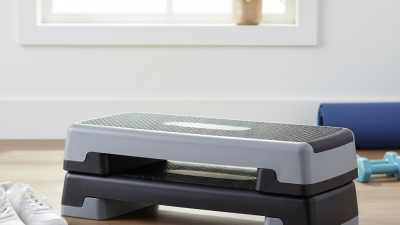
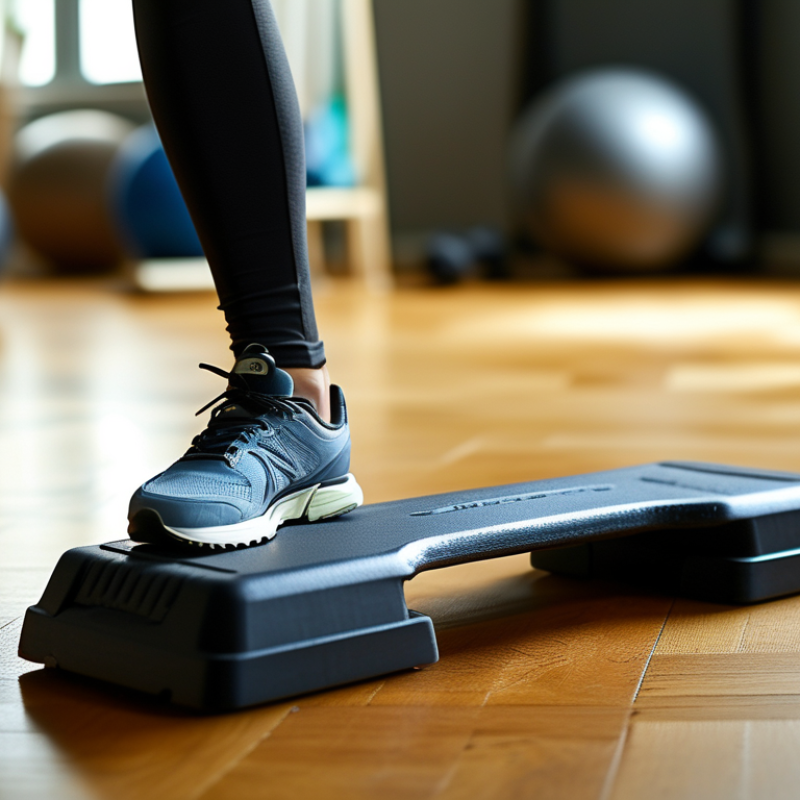
An aerobic exercise step platform is a raised, portable surface for rhythmic cardio and strength movements. It usually has a wide deck and removable risers. Users step up, down, across, or around the platform while following a steady movement pattern. Some exercises also involve squats, lunges, knee lifts, and controlled push-ups. The platform is not merely a small bench. Its height changes movement difficulty, joint demand, and balance requirements.
In my experience, beginners often choose a high platform because it looks more challenging. That choice can reduce control and create unnecessary strain. A lower setting supports better foot placement and smoother rhythm. Many instructors recommend keeping the whole foot on the deck, especially during repeated stepping. The surface should feel stable under body weight, not soft or visibly flexible. A textured top can improve traction, but no surface removes the need for suitable shoes and clear floor space.
When comparing a step platform,
check its height range, deck dimensions, weight capacity, and locking design. Wider platforms may feel safer during lateral movements. However, they also require more storage space. A useful platform should remain steady on the floor without sliding or rocking. I once underestimated how important riser alignment was; a small mismatch changed my balance noticeably. That detail is easy to miss when shopping online. Look for clear measurements, safety testing information, and care instructions from reliable sources.
How to Choose the Right Step Platform for Your Workout
How to Choose the Right Step Platform for Your Workout
Choose a platform that matches your body, space, and training goals. A beginner usually needs a wide, non-slip surface and a low starting height. Height adjustment matters because deeper stepping increases knee and hip demand. The World Health Organization recommends 150–300 minutes of moderate activity weekly for adults. Your platform should support regular use, not one heroic session.
Check the base carefully. Place it on a hard, level floor and test for rocking before exercising. Look for textured contact points, rounded edges, and clear height settings. A light platform is easier to store, but it may slide during fast lateral movements. A heavier model feels steadier. That trade-off is easy to underestimate.
The American College of Sports Medicine’s 2024 fitness trends survey kept traditional strength training among the five leading trends, showing why some users may want a platform for both cardio and controlled resistance work.
Consider your actual room. Measure ceiling clearance before adding jumps or overhead movements. Keep at least one step of open space around the platform. Industry participation data from the Health & Fitness Association reported 72.9 million U.S. fitness facility members in 2023, reflecting strong demand for practical exercise options. Still, popularity does not prove suitability. I once preferred a taller step because it looked more challenging; my knees disagreed. Start low, observe your balance, and increase height only when your movement stays quiet and controlled.
Key Features to Compare Before Buying
2026 Best Aerobic Exercise Step Platform Buying Guide
When comparing step platforms, start with stability, not appearance. A wide base should remain planted during fast side steps and knee lifts. Height matters. Adjustable levels help beginners progress without forcing the knees into deep bends. Check the locking system carefully, because loose risers can shift during repeated movement. I prefer platforms with clear adjustment marks and no sharp edges.
The top surface needs dependable traction when shoes become sweaty. Look for a textured, easy-to-clean finish rather than a smooth plastic panel. Platform length also matters for wider foot placement and lateral exercises. Check the stated weight capacity in the product manual. Some advertised ratings look impressive, but they may not describe repeated jumping. That distinction deserves attention. A useful test is simple: place the platform on a hard floor and press each corner with your body weight.
Material quality affects noise, durability, and floor protection. Dense construction usually feels steadier, but it may be harder to carry upstairs. Rubber feet should grip without leaving marks on wood or tile. Measure your storage space before buying. A platform that fits under a bed is more likely to be used regularly. Also compare warranty terms, cleaning instructions, and replacement-part availability. Independent safety testing can add confidence, though certification names should be verified rather than assumed. I would not ignore small design flaws, such as hollow sounds or difficult riser storage. They seem minor at first. Daily use reveals them.
2026 Best Aerobic Exercise Step Platform Buying Guide - Key Features to Compare Before Buying
| Platform Type |
Typical Step Surface |
Height Options |
Typical User Weight Rating |
Approx. Product Weight |
Common Materials |
Typical Price Range (USD) |
Best For |
| Entry-Level Fixed Step |
Approx. 24–26 × 10–12 in |
Usually fixed at 4–6 in |
Around 200–250 lb |
About 4–7 lb |
Molded polypropylene or ABS plastic; rubber feet |
$20–$45 |
Beginners, light cardio, and limited budgets |
| Two-Height Adjustable Step |
Approx. 26–28 × 10–12 in |
Usually 4–6 in or 6–8 in |
Around 250–300 lb |
About 6–10 lb |
Reinforced plastic platform; detachable risers; non-slip rubber pads |
$35–$70 |
Home workouts with progressive intensity |
| Multi-Height Adjustable Step |
Approx. 28–42 × 11–16 in |
Commonly 4–10 in or 6–12 in |
Around 300–400 lb |
About 10–18 lb |
Heavy-duty molded plastic; locking risers; textured top |
$60–$120 |
Regular exercisers, varied routines, and interval training |
| Wide Professional-Style Step |
Approx. 40–44 × 14–16 in |
Usually 6–8 in or 8–12 in |
Around 300–500 lb |
About 12–22 lb |
High-impact polypropylene; broad rubberized feet; textured surface |
$90–$180 |
Frequent training, lateral movements, and group exercise |
| Compact Folding Step |
Approx. 24–32 × 10–13 in |
Often fixed or adjustable to 2–6 in |
Around 200–300 lb |
About 5–12 lb |
Foldable reinforced plastic or aluminum-supported construction |
$45–$100 |
Small apartments, travel, and easy storage |
Key Features to Compare Before Buying
| Buying Dimension |
Recommended Benchmark |
Why It Matters |
What to Check |
| Platform Stability |
Wide base with evenly distributed feet |
Reduces rocking during fast stepping and lateral movements |
Place it on a hard, level floor and test for movement before use |
| Surface Traction |
Textured or rubberized top surface |
Helps reduce slipping when shoes or the surface become damp |
Look for full-surface coverage rather than small isolated grip patches |
| Height Adjustment |
At least two secure height levels |
Allows intensity to increase gradually and supports different users |
Confirm that risers lock firmly and cannot slide during exercise |
| Weight Capacity |
Rated capacity comfortably above the user’s body weight |
Dynamic stepping creates greater impact than simply standing still |
Use the manufacturer’s stated rating and account for dumbbells or other load |
| Step Width and Length |
Choose a surface that accommodates the entire foot |
Provides better balance and reduces the chance of stepping off the edge |
Measure available floor space and compare it with the platform footprint |
| Storage and Portability |
Lightweight design or stackable risers when space is limited |
Makes it easier to use the platform consistently at home |
Check folded dimensions, carrying points, and riser storage |
| Safety and Durability |
Crack-resistant construction with non-slip feet |
Supports repeated impact and helps maintain a secure position |
Inspect joints, risers, feet, edges, and the top surface regularly |
Note: The specifications and prices above are representative 2026 market ranges for generic aerobic step platforms. Actual dimensions, weight ratings, materials, and prices vary by design and seller. Always verify the current product specifications before purchase.
How to Use a Step Platform Safely and Effectively
A step platform can raise your heart rate quickly, but safe technique matters more than speed. The World Health Organization reports that 31% of adults worldwide do not meet recommended activity levels. Use the platform to build regular movement, not to chase exhaustion. The CDC recommends at least 150 minutes of moderate aerobic activity weekly, plus muscle-strengthening work on two days.
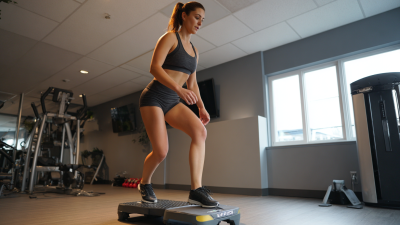
Place the platform on a flat, dry floor with clear space around it. Check that the surface does not rock or slide. Start with the lowest height. Wear supportive shoes and warm up for five minutes. Step up with your whole foot, keep your chest lifted, and press through the heel. Step down softly. Do not jump until your balance and control are reliable.
Keep your eyes forward. Avoid locking your knees. A common mistake is taking steps too quickly; even careful users can rush when music gets louder. ACSM exercise-prescription guidance supports gradual progression in intensity and duration. Add only a few minutes or a small height increase each week. Stop if you feel chest pain, unusual breathlessness, dizziness, or sharp joint pain. Rest, then reconsider your technique. My less-perfect habit is sometimes ignoring early fatigue, but fatigue can quietly change foot placement and increase missteps.
How to Maintain and Store Your Step Platform
A step platform lasts longer when maintenance becomes a small routine, not a weekend rescue project. In my experience, dust gathers beneath the platform and around height risers, where it can hide loose contact points. After each workout, wipe the top with a soft, slightly damp cloth. Use mild soap for sweat marks. Dry every surface before storing it. A wet platform can become slippery and may develop unpleasant odors.
Inspect the feet, risers, and locking areas once a week. Look for cracks, bent parts, worn rubber, or movement during a firm hand test. Do not use the platform if it rocks or makes unusual sounds. Check the stated weight limit in the product instructions, and never guess. Place it on a flat, dry floor away from heaters, windows, and direct sunlight. Excess heat may warp plastic or weaken rubber. This is easy to overlook. I have done it myself.
Tips: Store the platform flat when possible, with risers beside it rather than underneath. Keep small parts together in a labeled container. Avoid stacking heavy equipment on top. Before the next session, check the surface with your palm and press each corner gently. If anything feels unstable, stop and inspect it. A few seconds can prevent a painful misstep. Maintenance is not perfect every time, but consistent checks make the equipment more dependable.