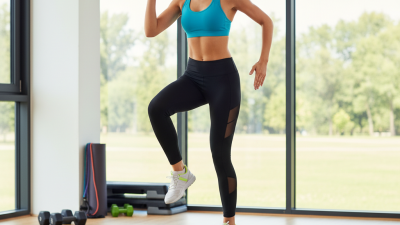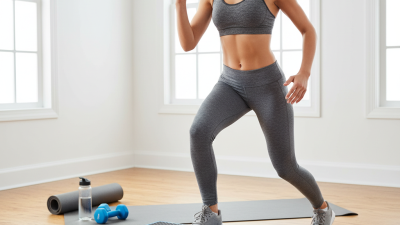
Choosing the right Balance From Aerobic Step requires more than comparing prices, colors, or shipping promises. Global buyers need to examine stability, platform height, weight capacity, surface grip, and adjustment design. A step that feels secure on a showroom floor may shift on tile, rubber, or uneven studio flooring. That difference matters.
Dr. Cedric X. Bryant, a respected exercise science expert, has said, “Balance improves when training challenges the body without sacrificing control.” This principle is useful when evaluating Balance From Aerobic Step products. A reliable model should support controlled movement during lunges, step-ups, lateral drills, and low-impact conditioning. Its top surface should provide confident contact, even when users sweat. Its base should resist sliding without damaging the floor.
Small details reveal quality.
Check the locking mechanism. Test the risers. Inspect the edge finish. Buyers should also review product dimensions, packaging strength, warranty terms, and replacement-part availability. These factors become especially important when equipment crosses borders or enters commercial gyms. Import duties, regional safety expectations, and warehouse conditions may affect the final purchase decision.
Still, no product fits every market perfectly. A compact step may suit home users but feel limited in group classes. A heavier platform may improve stability yet increase freight costs. Buyers must accept some trade-offs and question attractive claims. This guide explores how to compare Balance From Aerobic Step options with practical evidence, professional judgment, and a clear understanding of real-world use.
2026 How to Choose Balance From Aerobic Step for Global Buyers
Choosing an aerobic step should begin with a clear balance goal. Do you want steadier walking, safer stair use, or better control during sport? WHO recommends 150–300 minutes of moderate activity weekly for adults. Step training can support this target when it raises your breathing and heart rate. A 20-minute session, five times weekly, provides 100 minutes. Add brisk walking or cycling to reach the recommended range.
Balance itself needs focused practice. Aerobic movement improves endurance, but it does not automatically develop single-leg control. Include slow step-ups, controlled side steps, and brief single-leg holds. Keep one hand near a stable support at first. I have found that rushing creates wobbling, even when the step feels strong. That small mistake is useful feedback, not failure. Buyers should check platform width, non-slip texture, height options, and the stated weight capacity. These details matter across different floors, climates, and user abilities.
Tips: Start with ten-minute sessions and build gradually. Use the talk test: moderate work allows short conversation. Practice near a wall, especially on smooth flooring. Count only active minutes, not rest periods. Stop if pain, dizziness, or unusual breathlessness appears. People with medical concerns should seek qualified advice before increasing intensity.
For global buyers, step height should match the user’s control, not just the product specification. A 10 cm aerobic step suits beginners, older adults, and rehabilitation-style balance drills. It allows slower foot placement and reduces fear during lateral movements. A 15 cm height adds moderate challenge without demanding excessive knee lift. This range often works well for general home training.
At 20 cm, balance training becomes more demanding. Users must control hip stability, ankle alignment, and landing pressure. A 25 cm step is better for trained adults with reliable single-leg control. It can support advanced step-ups, but it may expose poor technique quickly. The American College of Sports Medicine recommends neuromotor exercise, including balance work, two or three days weekly. WHO also advises adults to complete 150–300 minutes of moderate aerobic activity each week.
Practical testing matters. Stand beside the step, place one foot slowly, and check whether the knee stays aligned with the toes. The surface should remain stable during repeated side steps. Buyers should also inspect height increments, edge visibility, and slip resistance. A 2023 report from the World Health Organization highlights falls as a major global health concern among older adults. That makes a lower starting height sensible. My own rule is imperfect: progress by 5 cm only after movement looks quiet and controlled. Some users need more time. That is not failure.
Global buyers should treat ISO 20957-1 as a verification framework, not a decorative claim. Confirm whether the aerobic step falls within the standard’s scope and intended equipment category. Request the latest test report, technical file, and declaration of conformity from the supplier. Check the tested model, not merely a similar product.
Stability begins with the floor contact. Inspect the platform’s dimensions, underside structure, anti-slip surfaces, and resistance to rocking. A loaded step should remain steady during lateral movement, repeated stepping, and sudden weight transfer.
Ask for test conditions, user-mass limits, and fatigue results. Look underneath. Small gaps or flexible feet can become noticeable hazards on smooth gym flooring.
Safety also depends on instructions and markings. They should explain setup, inspection, cleaning, maximum user weight, and warnings for damaged surfaces. Verify that labels remain readable after repeated handling. In procurement work, buyers sometimes focus too heavily on certificates and overlook real-use checks. That is a mistake worth correcting. Request sample inspection photos, packaging protection details, and an independent pre-shipment test when practical. ISO 20957-1 compliance can support a sound decision, but it does not replace risk assessment for local floors, user behavior, or installation conditions. Do not guess.
When choosing an aerobic step for global buyers, treat load capacity as a safety threshold, not a marketing number. A practical purchasing rule is a tested rating of at least twice the user’s body weight. For a 90-kilogram user, the step should withstand at least 180 kilograms. This margin allows for stepping impact, uneven landing, and repeated use. Static body weight is only part of the risk.
The World Health Organization’s Global Status Report on Physical Activity 2022 found that 31% of adults worldwide are insufficiently active. More people may therefore begin exercise with limited balance and control. The World Health Organization recommends 150–300 minutes of moderate activity weekly, making repeated step use realistic. Buyers should request load-test methods, maximum user weight, platform dimensions, and anti-slip test details. ASTM F2276 and ISO 20957 provide useful safety frameworks, but neither automatically proves a universal twice-body-weight requirement.
Check the floor contact points.
Inspect the step after delivery. Cracks, flexing, or movement under load require immediate removal from service. I would not accept a rating based only on a product photograph or an unexplained laboratory claim. The twice-body-weight rule is conservative, not a global legal standard. Still, it gives buyers a clear comparison point. One weakness remains: household users may move unpredictably, and published tests rarely reflect every real-world landing angle.
2026 How to Choose Balance From Aerobic Step for Global Buyers
A stable aerobic step begins with documented compliance, not attractive packaging. ISO 20957-1 addresses stability, mechanical safety, and user information for stationary training equipment. Ask suppliers for current test reports, rated load, production-site details, and instructions in the destination language. Requirements differ across markets, so one certificate rarely proves universal suitability. The World Health Organization reported that 31% of adults worldwide were insufficiently active in 2022. That increases the need for equipment that feels predictable under repeated, everyday use.
Check slip resistance in realistic conditions. Test the platform with sweat, cleaning residue, athletic shoes, and a slightly dusty floor. ASTM F2913 provides a recognized method for measuring footwear and flooring friction, but it does not automatically certify an aerobic step. Request dry and wet results, test surfaces, footwear type, and laboratory identity. Small details matter. A textured top can still feel unstable if the feet are narrow or the rubber pads compress unevenly. I would not accept a single friction number without test conditions.
Material selection should match climate and cleaning routines. Impact-resistant polypropylene can reduce cracking, while TPE or rubber pads may improve grip and vibration control. Request evidence of resistance to sweat, disinfectants, heat, and ultraviolet exposure. Warranty terms need equal scrutiny. Confirm commercial-use coverage, maximum user weight, replacement-part availability, claim procedures, and exclusions for surface wear. The International Organization for Standardization emphasizes clear user information, yet many warranty sheets remain vague. That gap deserves review before purchase.