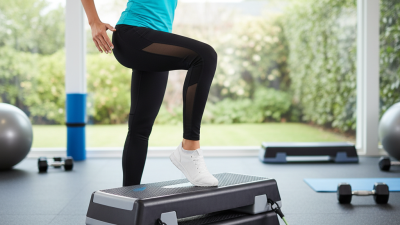
How to Choose an Aerobic Adjustable Stepper?

Choosing an Aerobic Adjustable Stepper requires more than comparing colors, prices, or advertised calorie counts. The right model should support controlled movement, stable footing, and gradual progression. It should also fit your room, training goals, and current fitness level.

The World Health Organization recommends 150 to 300 minutes of moderate aerobic activity weekly for most adults. Its physical activity expert, Dr. Fiona Bull, reinforces this principle: “Every move counts.” An Aerobic Adjustable Stepper can make that movement practical, especially in a small home space. However, it should complement strength training, mobility work, and rest. It is not a complete fitness system.

Industry reports add useful context. The ACSM Worldwide Survey of Fitness Trends repeatedly identifies home-based exercise, functional training, and accessible equipment as important consumer interests. Grand View Research also reports continued growth in the global fitness equipment market. These findings suggest strong demand, but market growth does not guarantee product quality. That distinction matters.

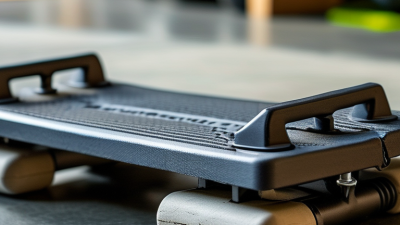
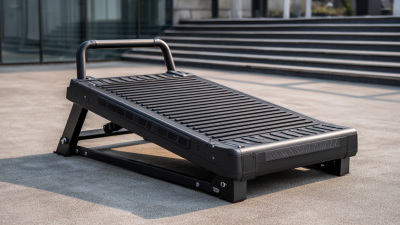
Look closely at the adjustment system. A secure height mechanism should not wobble under repeated foot strikes. A broad, textured platform can reduce slipping during faster sequences. Check the stated user weight limit, base dimensions, warranty, and replacement-part policy. Shorter users may prefer lower settings, while experienced trainees may need more height and challenge.

A careful choice still involves compromise. Higher platforms may increase intensity, but they can reduce control for beginners. Advertised calorie figures may also be optimistic. This guide examines the evidence, construction details, safety considerations, and practical value behind each Aerobic Adjustable Stepper.
How to Choose an Aerobic Adjustable Stepper?

Define Training Goals Using ACSM’s 150-Minute Weekly Aerobic Benchmark

Choosing an aerobic adjustable stepper begins with a measurable training goal. ACSM advises adults to complete at least 150 minutes of moderate aerobic activity weekly. That equals five 30-minute sessions, though shorter sessions can still build toward the target. If your goal is general fitness, choose a stepper with smooth resistance changes and a stable, wide platform. You should be able to maintain conversation while stepping. This practical test helps estimate moderate intensity without relying only on a display.

For weight management or improved endurance, adjustable resistance gives you room to progress. Start with a setting that raises your breathing but preserves controlled foot placement. Add five minutes before increasing resistance. A handrail may improve balance, but leaning heavily can reduce the aerobic demand. Track minutes, perceived effort, and recovery afterward. Small records matter. A simple weekly note can reveal whether you are approaching 150 minutes consistently.

ACSM’s benchmark is useful, not magical. Work schedules, joint discomfort, and low fitness can make five sessions unrealistic. I once treated every workout as a test and increased resistance too quickly; my knees felt the consequence. A better choice includes easy settings, secure pedals, and clear adjustment controls. Consider splitting activity into 10-minute blocks when needed, then gradually lengthen sessions. Moderate effort should feel challenging, yet sustainable. Stop if sharp pain, dizziness, or unusual shortness of breath appears, and seek qualified medical advice.

Select Adjustable Step Heights: 4–6 Inches for Beginners, 6–8 for Intermediates

How to Choose an Aerobic Adjustable Stepper?

Choosing step height should match your experience, balance, and movement control.

For beginners, 4–6 inches provides a manageable starting point. This height lets you practice stepping without excessive knee lift. Your whole foot should land securely on the platform. Keep your chest lifted and knees softly bent. If you feel unstable, lower the step.

Intermediate users can try 6–8 inches when basic patterns feel controlled. This range demands more leg drive and coordination. During coaching sessions, I watch whether users maintain steady rhythm at the higher setting. Speed should not replace control. If your hips twist or your foot misses the center, the height is probably too ambitious.

I once raised a step too quickly during a home workout. My form became rushed, and my calves tightened within minutes. That mistake changed how I adjust equipment. Increase height gradually, and test several slow repetitions before exercising continuously.

A firm, level floor also matters. Check the adjustment mechanism before every session, because a loose setting can shift unexpectedly.

Fitness guidance should respect individual differences; previous injuries, poor balance, or persistent pain may require advice from a qualified professional.

Check Platform Dimensions, Load Ratings, and ISO 20957-1 Safety Compliance

How to Choose an Aerobic Adjustable Stepper?

Choosing an aerobic adjustable stepper requires more than comparing colors or resistance levels. The platform should fit your foot securely during quick lateral movements. Measure its usable length and width, not only the outer frame. Leave enough room for a natural stance. A narrow surface can make the heel drift during repeated climbs. I once underestimated this detail. My feet felt stable during slow exercise, but rushed intervals exposed the problem.

Check the stated load rating against the user’s body weight and training style. Fast stepping creates more impact than quiet standing. A generous safety margin is sensible. Ask whether the rating covers the complete unit, each pedal, or a specific setting. The manual should explain this clearly. Inspect adjustment pins, hinges, and locking points before use. They should engage fully, without sideways movement or sharp edges. Test it gently first.

ISO 20957-1 sets general safety requirements for stationary training equipment, including stability, mechanical hazards, warnings, and user information.

Look for documented compliance, not vague “tested” language. The supplier should identify the applicable edition and provide supporting records when requested. Check that instructions state assembly, inspection, maximum user mass, and safe adjustment procedures. Compliance does not replace judgment. Floors vary, and worn parts can change performance. Recheck the stepper after several sessions, especially if it rocks, squeaks, or shows uneven wear.

Evaluate Traction, Stability, Shock Absorption, and Locking Mechanisms

Choosing an aerobic adjustable stepper starts with the contact points, not the height range. During a floor test, place it on a hard, level surface and press each corner. A grippy platform should hold your shoe during quick lateral movements. Look for molded texture, not a thin pattern that becomes slick with sweat. Try several shoe soles. Small differences matter.

Stability depends on base width, weight distribution, and how firmly risers lock into place. Step up slowly, then shift your weight from heel to toe. The platform should not rock, twist, or creep across the floor. I once focused on maximum height and overlooked side-to-side movement. Poor judgment there. For beginners or users with sensitive joints, lower settings often allow cleaner form. Compare the stated load rating with your body weight and workout intensity.

Shock absorption is more than a soft feeling. A resilient surface can reduce harsh impact, but excessive softness may weaken balance. It does not guarantee injury prevention. Listen for sharp tapping and inspect the floor after repeated step-downs. A stable, quiet response is useful, though noise alone cannot prove protection. Check the locking mechanism before every session. Pins should seat fully, levers should close securely, and adjustment marks should remain visible. Pull each riser gently after locking. If it moves, stop. I would also record the setting that feels safest, not merely the highest setting.

How to Choose an Aerobic Adjustable Stepper?

Evaluation priorities for traction, stability, shock absorption, and locking mechanisms.

The suggested weighting reflects the practical safety impact of each factor during aerobic stepping. Traction and stability receive the highest priority because they help reduce slipping and unwanted movement. Shock absorption supports comfort and impact control, while the locking mechanism must hold the selected height securely.

Compare Portability, Adjustment Systems, Warranty Terms, and User-Tested Durability

Choosing an aerobic adjustable stepper starts with portability, especially if your workouts move between rooms. Measure its folded height, handle clearance, and actual carrying weight. A compact frame is useful, but very light models may shift during fast stepping. I learned this after testing one on a tiled floor. It felt convenient, yet its rubber feet needed frequent repositioning. Check whether the feet grip firmly and whether the platform remains stable during side movements. Small details matter.

The adjustment system should change height quickly without tools. Twist locks are simple, while removable risers often feel more secure during repeated sessions. Test every setting before buying, because loose parts can create uneven motion. Warranty terms deserve the same attention. Look for coverage on the frame, hydraulic parts, pins, and platform surface. Some warranties exclude damage from normal wear, which can be disappointing. Read the replacement process, not only the coverage period. A long warranty means little if shipping costs are unclear or support responds slowly. User-tested durability provides useful evidence. Watch for reports describing six months of regular stepping, noisy cylinders, cracked plastic, or slipping feet. Short reviews can exaggerate. I would trust repeated patterns more than a perfect rating. Expect some maintenance, too. Even sturdy equipment may need tightened fasteners and cleaned adjustment slots.